Spain for Relocation: The “Slow Life” That’s Actually Structured
Not just “sun & sea” — Spain runs on sobremesa, the paseo, and a day with a pause button.
🇪🇸 Relocating to Spain can feel like stepping into a sunnier version of your life — but the real magic isn’t the weather. It’s the rhythm: a daily script where meals are social, evenings belong to the streets, and community is built into ordinary routines.
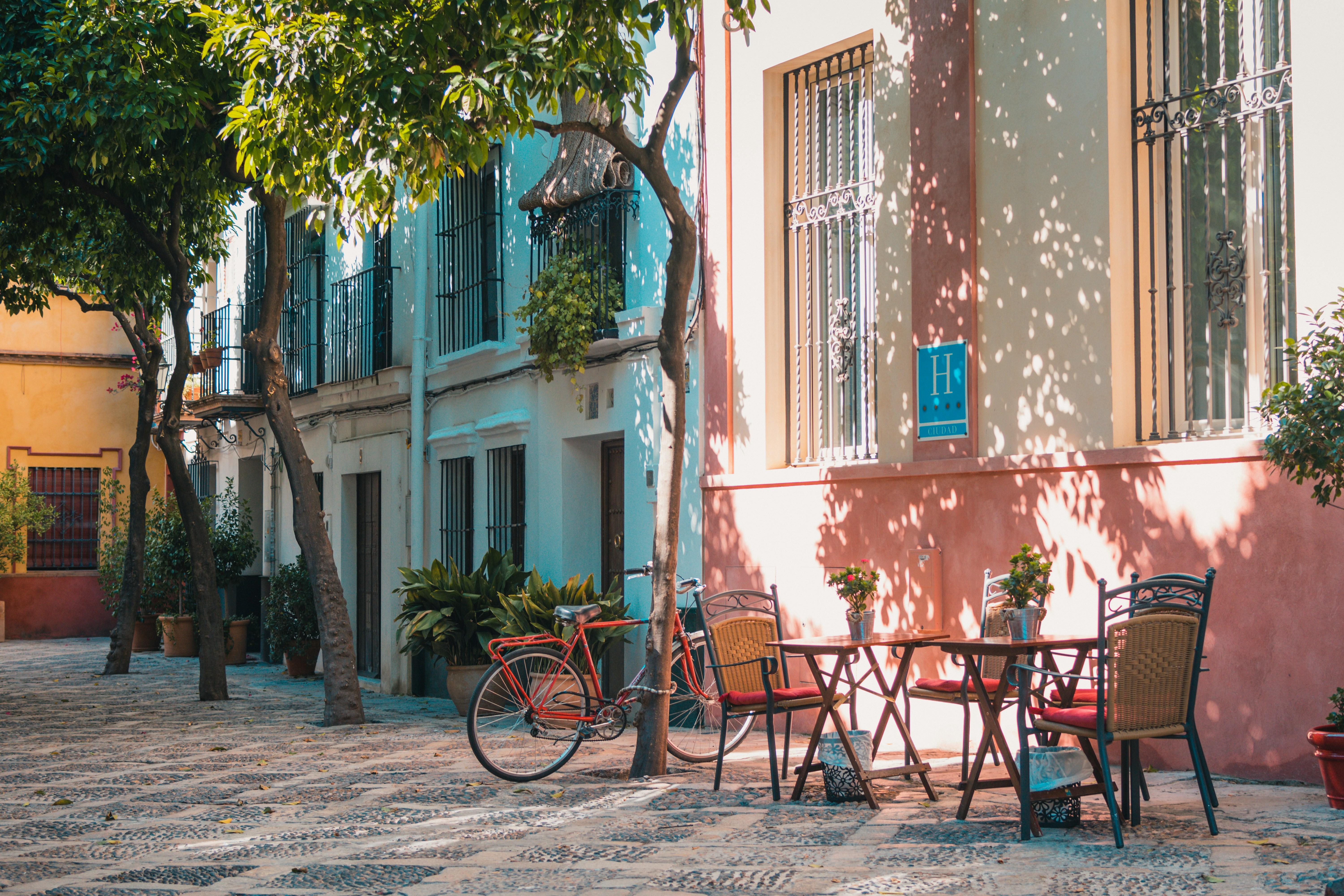
☀️ Spain doesn’t rush the good parts
Many countries claim they value “work-life balance.” Spain is different because the pace shows up in tiny, repeatable habits: how long people sit at a table, how neighborhoods use public space, and how evenings unfold almost automatically.
For someone relocating, this can be a real reset. You stop planning “quality time” like a separate project — it naturally happens because the day leaves room for it.
⏰ The midday pause (and why it changes your whole day)
In some traditional sectors, Spain still follows a split-day rhythm: work, then a longer midday break, then work again later. It’s not universal for every job and every city, but where it exists, it quietly explains a lot — including why lunches feel unhurried and why social life starts later.
If you’re relocating, this is a practical detail, not just culture trivia. It affects when you schedule appointments, when you message people, and why “let’s meet at 7” can feel early in some places.
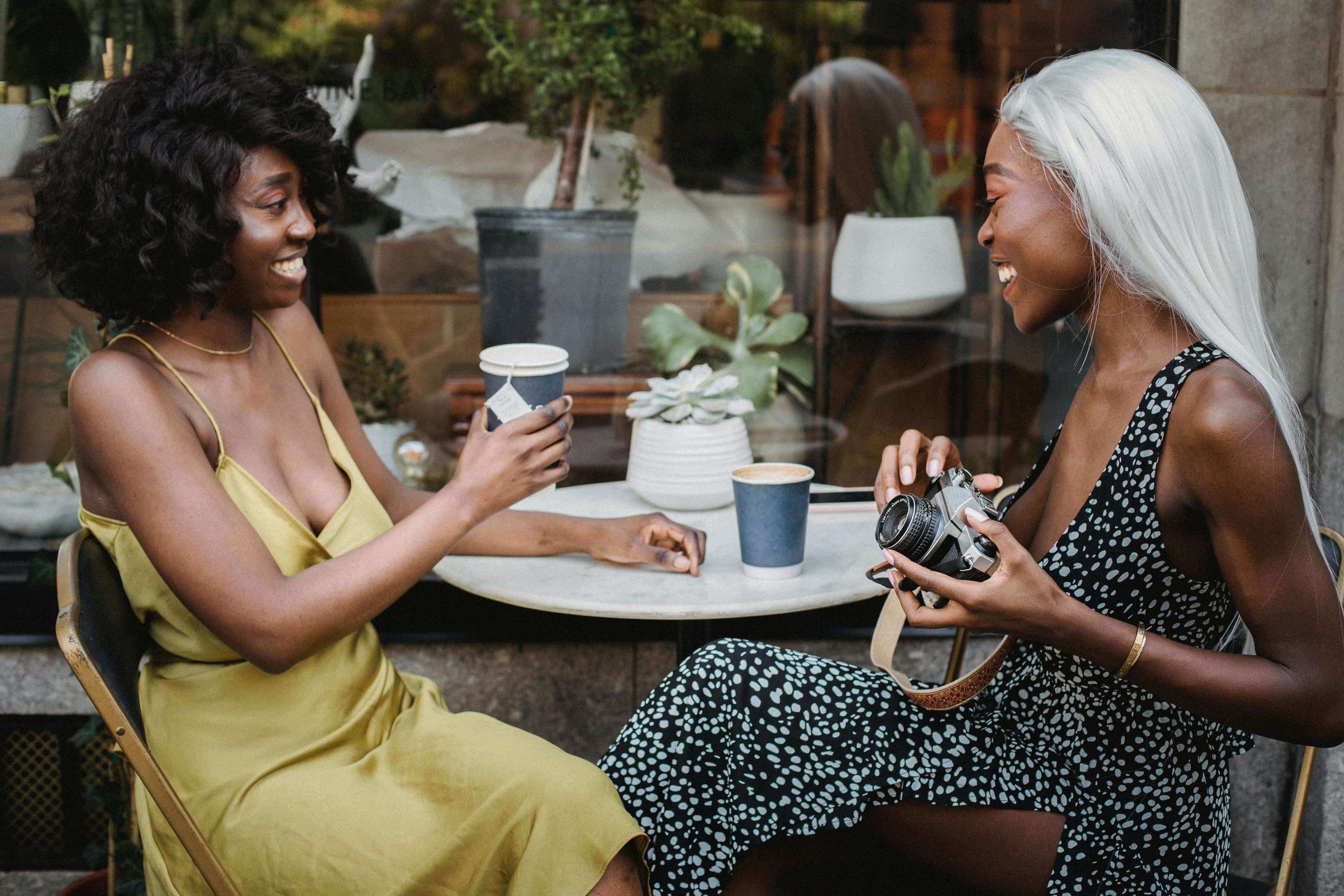
☕️ Sobremesa: the most Spanish habit you’ll adopt
There’s a word Spaniards use for the moment that begins after the plates are cleared: sobremesa. It’s the tradition of lingering at the table after a meal — not to keep eating, but to keep talking, usually with coffee or a small drink.
What makes sobremesa special is that it’s not treated as an “extra.” In Spain, it can last for hours (especially after lunch), because conversation is considered part of the meal, not a separate activity you need to schedule.
And you’ll notice it in restaurants too: it’s common that you won’t be rushed, and the bill typically comes when you ask for it, not automatically the second you finish dessert.
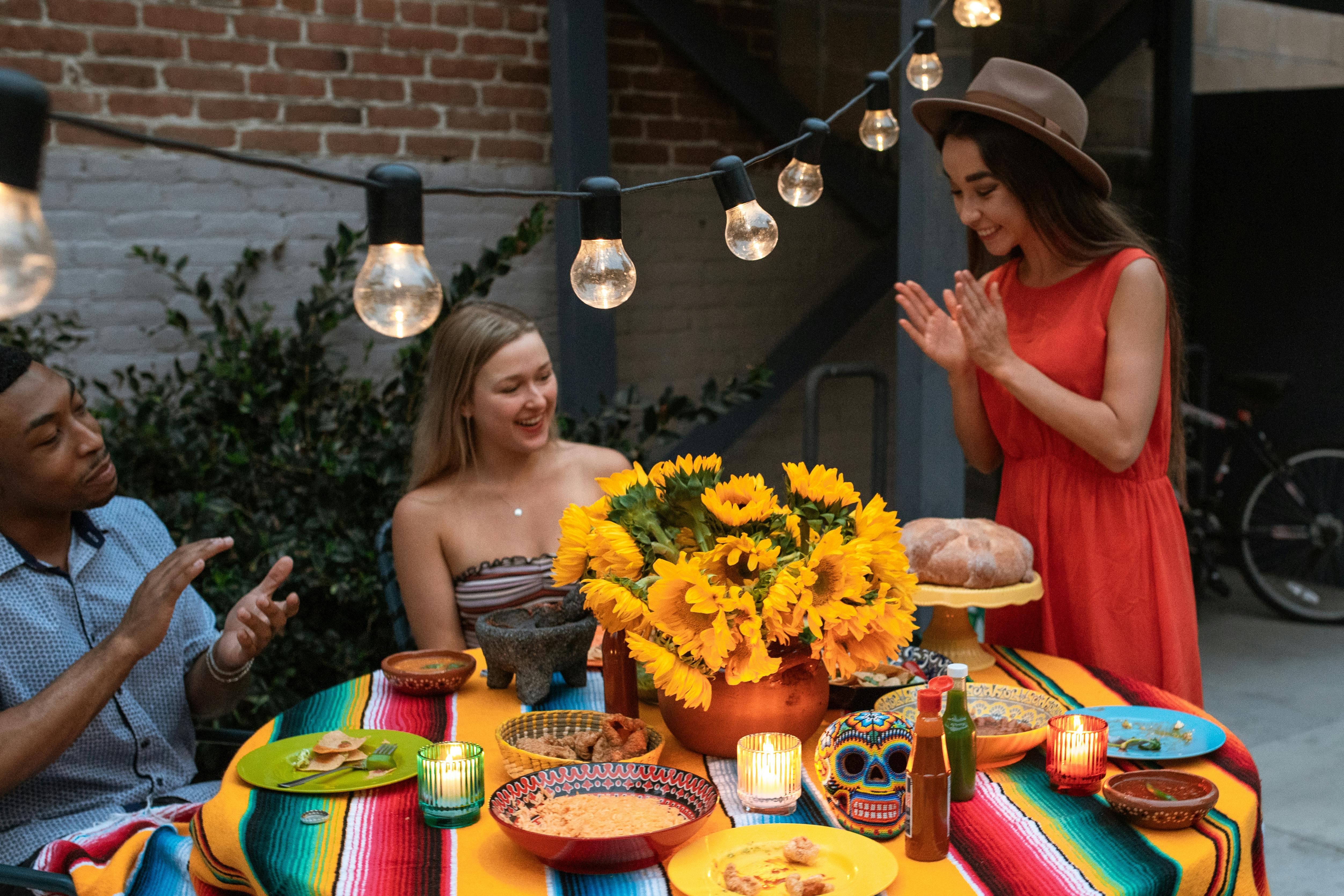
🌆🍷Evenings are the main event (not the leftovers)
If you’re used to cities that shut down early, Spain can feel like a different planet. When the sun goes down, the energy comes up: late dinners stretch into long conversations, terraces stay busy, and the night has an unhurried quality.
For relocators, this is one of the easiest ways to feel less lonely. You don’t have to “host” a social life at home — you can step outside and be part of the city’s shared living room.
💡A relocator’s guide to fitting in fast
You don’t need to become “more Spanish” overnight — you just need a few simple adjustments that match the local rhythm.
Say yes to daytime invites: lunch is social time, not a rushed refuel.
Don’t rush the table: sobremesa is where friendships often deepen.
Build a routine outside: small habits (a regular café, a local market, an evening walk) create community faster than big plans.
Treat evenings as your second day: many meetups, clubs, and social connections naturally happen later.
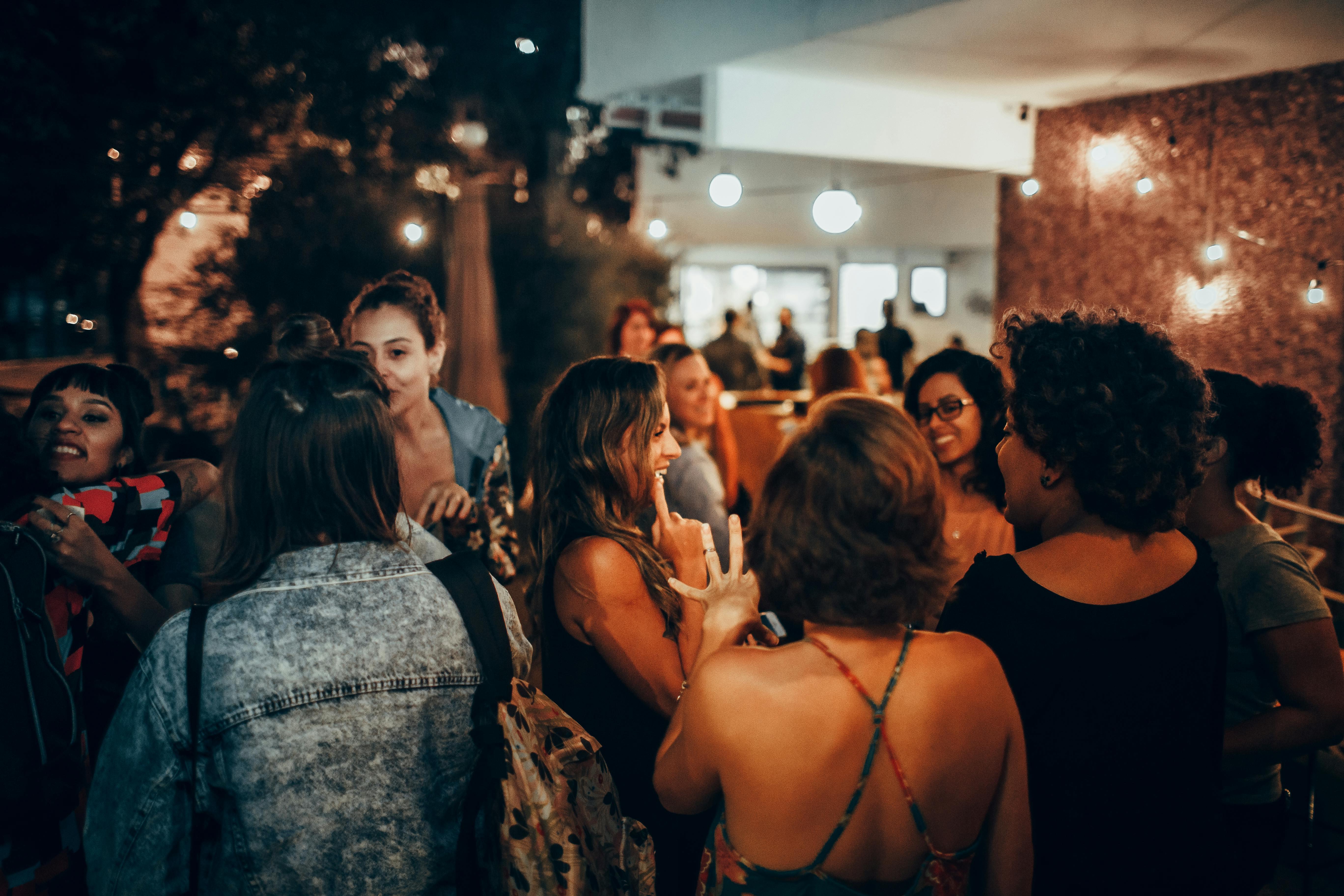
What Spain teaches you (without preaching)
Spain isn’t “perfect” and it’s not a permanent vacation — but it’s one of the few places where downtime and connection aren’t framed as something you earn after burnout. They’re built into the culture through repeatable rituals: the long lunch, the sobremesa, the evening terrace, the neighborhood life.
If you’re choosing Spain for relocation, this is the mindset shift that makes the move feel worth it: you’re not just changing your address — you’re changing the shape of your days.
____________________
✈️ If you’re seriously considering this move, our team can help you secure Spanish residency through the Digital Nomad Visa and guide you through every step — you can start by booking a free consultation with us.
migrion.pro